How to Store Vanilla Beans (and Keep Them Fresh for Years)
TrYou've invested in premium vanilla beans — the last thing you want is to open the jar six months later and find them dry, brittle, or mouldy. Proper storage is the difference between beans that last two or three years and beans that lose their potency in weeks.
Here's exactly how to store vanilla beans at home, whether you've bought a small pack for baking or a bulk order for making extract.
The Golden Rules of Vanilla Bean Storage
1. Keep Them Airtight
Exposure to air is the enemy. Oxygen dries out the natural oils and moisture that give vanilla beans their signature aroma and pliability. Store your beans in an airtight container — a glass jar with a tight-fitting lid is ideal. Avoid zip-lock bags for long-term storage; they're not truly airtight and can allow moisture fluctuations.
2. Store at Room Temperature — Not the Fridge
This surprises many people. The refrigerator is actually one of the worst places to store vanilla beans. The cold, humid environment encourages mould growth, and the fluctuating temperatures when you open and close the fridge cause condensation inside the jar. Room temperature (ideally 15–20°C) in a cool, dark cupboard is perfect.
3. Away from Light and Heat
UV light and heat degrade the volatile aromatic compounds in vanilla. Keep your beans away from direct sunlight, stovetops, and ovens. A pantry shelf or a dark kitchen cupboard works beautifully.
4. Don't Freeze Them
Freezing vanilla beans causes the cell walls to rupture, releasing moisture and dramatically altering the texture and flavour profile. Unless you're storing beans for an unusually long period (3+ years), freezing is unnecessary and counterproductive.
What About Moisture Content?
The moisture level of your beans affects how you should store them:
- Gourmet/Grade A beans (plump, moist, 30–35% moisture) — store in an airtight glass jar at room temperature. They'll stay supple for 1–2 years.
- Extract-grade/Grade B beans (drier, lower moisture) — also store airtight at room temperature. Their lower moisture content actually makes them more shelf-stable, and they're ideal for long-term extract making.
- Semi-dry beans — store the same way, but check periodically for any signs of mould if your environment is particularly humid.
Browse our Grade A vanilla beans and extract-grade vanilla beans to find the right style for your needs.
Signs Your Vanilla Beans Have Gone Off
- White crystalline coating — this is actually a good sign. It's vanillin crystallising on the surface, a mark of high-quality beans. Simply wipe it off.
- Fuzzy mould — this is the bad kind. Discard affected beans and check your storage conditions (likely too humid or not airtight enough).
- Completely dry and brittle — the beans have lost too much moisture. They're still usable for extract making, but won't split and scrape well for baking.
Can You Revive Dried-Out Vanilla Beans?
Yes — to a degree. Wrap dried beans in a slightly damp paper towel, place them in a sealed container, and leave overnight. They won't return to their original plumpness, but they'll become pliable enough to use. Alternatively, use them to make vanilla extract or vanilla sugar, where texture doesn't matter.
Our Vanilla Sugar is a great example of how dried or spent beans can still deliver incredible flavour.
Storing Vanilla Beans for Extract Making
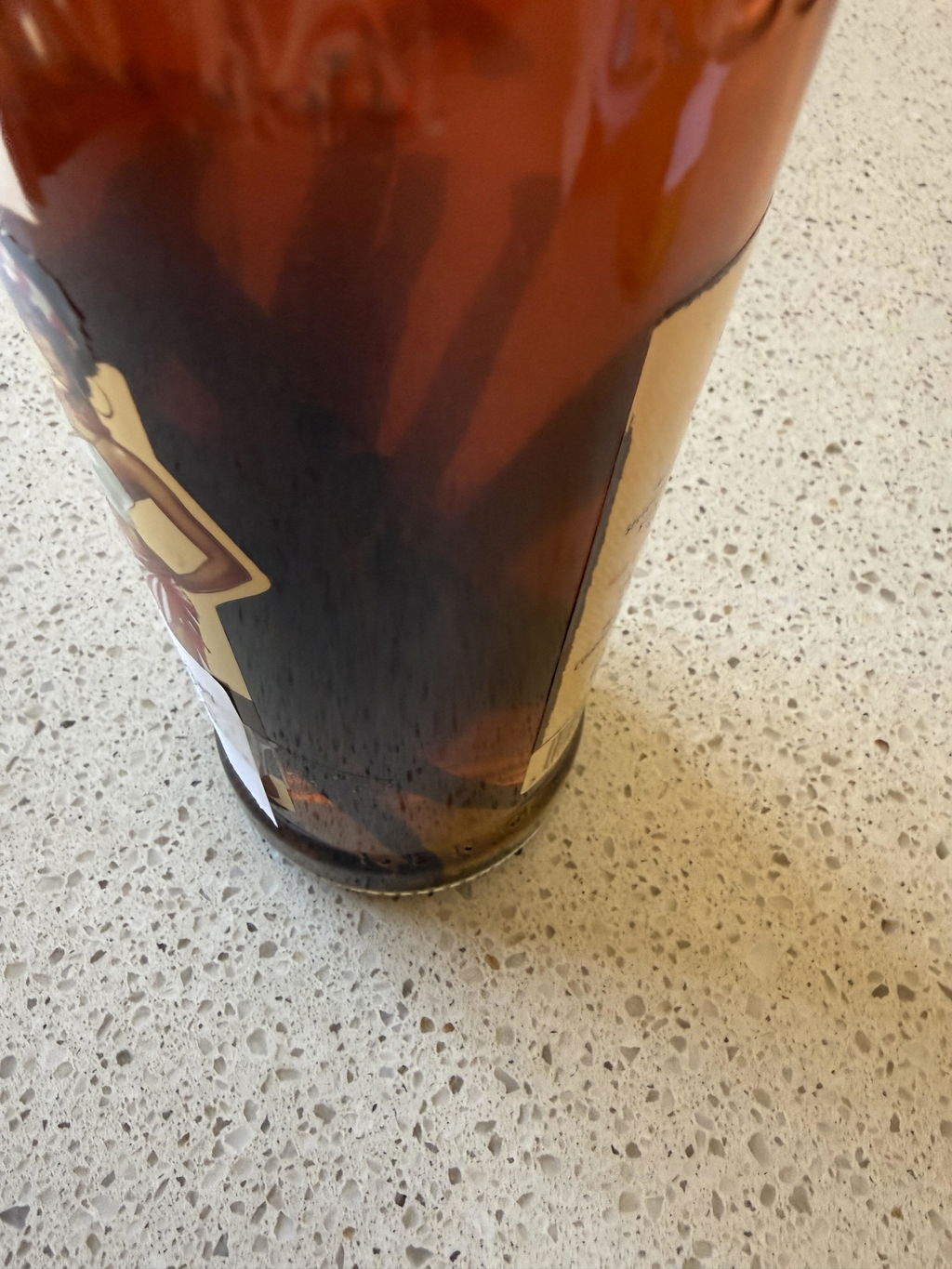
If you're buying beans in bulk for extract, store them in a large glass jar until you're ready to use them. Once you've started your extract, the alcohol acts as a preservative — no additional storage precautions needed beyond keeping the bottle sealed and out of direct light.
Our vanilla beans for extract collection includes both Grade B and extract-grade options, all sourced for maximum vanillin content.
The Short Version
- Airtight glass jar ✓
- Cool, dark cupboard ✓
- Room temperature ✓
- No fridge, no freezer, no direct light ✗
Store them right, and your vanilla beans will reward you with deep, complex flavour for years to come.
Ready to stock up? Browse our full range of premium vanilla beans — from everyday baking pods to bulk extract-grade orders.